Winter Board Games Brazil: Insights for Brazil’s Indoor Market
Updated: April 9, 2026
The winter Board Games Brazil season is shaping how Brazilians view indoor leisure, as cafes, clubs, and households lean into tabletop play when outdoor conditions turn cooler. In a country famous for its outdoor celebrations and sunny weekend gatherings, the shift toward indoor gaming reveals not only a need for warmth and sociability but also a calculated response to market dynamics that vary by climate, region, and income. This analysis examines how the seasonal cadence of winter informs buying patterns, game preferences, and the strategies that retailers and publishers must adopt to thrive in Brazil’s evolving board game ecosystem.
Winter as a Catalyst for Indoor Play
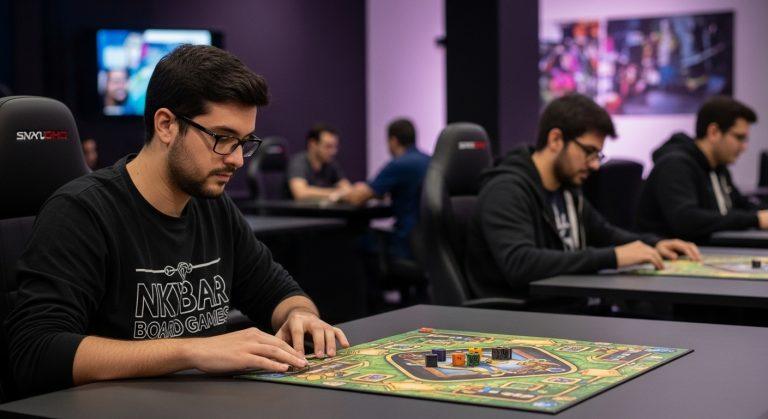
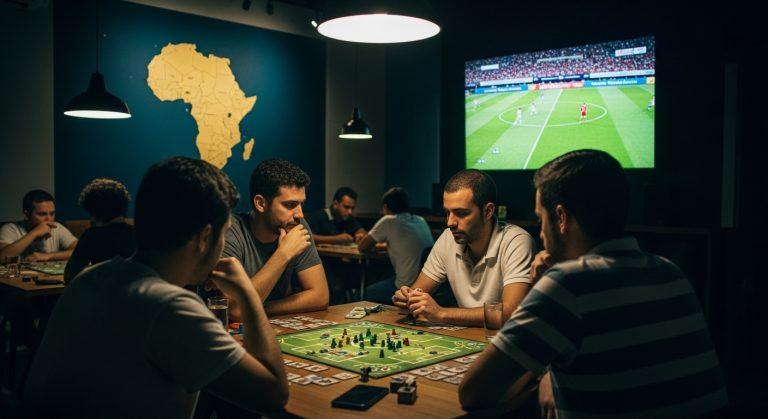
Seasonal change in Brazil is less about frigid temperatures and more about a tangible shift in daily routines and social habits. In urban centers where small apartments and shared living space are common, winter becomes a practical cue to seek structured, low-barrier social activities. For many players, a well-timed game night offers an affordable form of entertainment that scales up or down with group size, making it a natural fit for families, student cohorts, and neighborhood clubs. This seasonal pivot is reinforced by retailers who report a steady uptick in demand for compact, two-player games and midweight titles that pair well with evenings of conversation, snacks, and warm beverages.
Economic and Cultural Factors Shaping the Market
Brazil’s board game market sits at a crossroads of cultural preference and economic reality. Urban consumers, particularly in mid-to-high income brackets, increasingly view tabletop games as durable goods that deliver long-term value, not merely fads. The winter period intensifies this dynamic, as shoppers prioritize games with replayability, modular expansions, and educational appeal that justify repeat purchases across family members and friend groups. Publishers and retailers who align product assortments with these expectations—favoring scalable, language-inclusive rules and portable components—tend to perform better in the slower, indoor months. At the same time, localized localization, including Portuguese-language rulebooks and culturally resonant themes, can determine a title’s adoption in a market where word-of-mouth and community recommendations drive discovery more than mass advertising.
Local Preferences and Game Genres in Brazil’s Winter
Genre preferences in Brazil during the winter months reveal a balance between strategy-focused tabletop experiences and approachable party games. Heavier, Euro-style titles with a strong thematic hook coexist with lighter co-op experiences that emphasize teamwork and shared narrative. Brazilians often gravitate toward games that facilitate social interaction, quick setup, and clear entry points for new players. As a result, midweight games that offer meaningful decisions without overwhelming rule sets tend to find traction quickly, especially when paired with in-store demos and community events. The regional variation matters as well: southern cities with cooler winters may show stronger demand for longer, more strategic games, while central and northern regions favor quicker plays that pair well with café culture and weekend gatherings. This segmentation has real implications for how stores curate shelf space, how clubs plan rotations, and how designers position mechanics and components to minimize language barriers.
Retail dynamics during winter also reflect broader macroeconomic conditions. In a market where currency fluctuations and import costs can affect price points, players often respond by prioritizing games with durable components and clear value. Local publishers who adapt by offering Portuguese-language support, clear solo-play options, and modular expansions can extend the lifecycle of a title, turning a single purchase into a series of recurring engagements across seasons. Conversely, titles that rely heavily on language-dependent nuances or that require extensive setup may struggle to gain traction without strong community support and accessible instructional content.
What the Season Means for Players, Retailers, and Publishers
For players, winter is a window of opportunity to deepen social ties through shared play, but it also demands reliable access to properly stocked catalogs. Retailers who invest in seasonal displays, in-store demos, and targeted promotions that highlight family-friendly, two-player, and cooperative formats tend to convert foot traffic into repeat visits. Publishers benefit from community-driven feedback cycles that winter playgroups offer, enabling rapid iteration on rules clarity, packaging, and tiered expansions. Strategic collaborations—such as partner events with game cafes, libraries, and schools—can extend reach beyond traditional hobby shops and into community hubs where word-of-mouth remains the strongest driver of discovery. The interplay of these actors during winter underscores a simple truth: the indoor-focused cadence of Brazil’s board game scene is as much about social infrastructure as it is about product catalogs.
Actionable Takeaways
- Align winter assortments with scalable, language-accessible titles that appeal to both families and dedicated gamers.
- Invest in in-store demonstrations and community-led events to convert curiosity into long-term engagement.
- Prioritize durable components and modular expansions to extend a title’s lifecycle through multiple seasons.
- Leverage Portuguese-language materials and solo-play options to broaden appeal in diverse Brazilian regions.
- Collaborate with cafes, libraries, and schools to create recurring winter playevents that anchor a brand in local communities.
Source Context
To situate this analysis within broader climate and market dynamics, consider these context sources:
- Brazil country overview — regional diversity and climate context relevant to indoor leisure trends.
- INMET climate and seasons — official reference on seasonal patterns that influence indoor activities.
- Board games in Brazil — market trends — industry snapshot of consumer behavior and product categories.
- World Bank Brazil data — macroeconomic context affecting discretionary spending on hobbies.