Lingard Board Games Brazil: Navigating a Crowded Market
Updated: April 9, 2026
lingard Board Games Brazil enters a Brazilian market marked by growing hobbyist communities, cafe culture, and a willingness to experiment with new tabletop experiences. This analysis traces the forces that will shape its reception, from consumer tastes and distribution channels to localization and partnerships, and it frames plausible scenarios for meaningful, sustainable growth.
Market Landscape
Brazil’s board game ecosystem has shifted from niche hobbyists to a broader audience that includes families, student groups, and urban cafes. Online marketplaces—paired with a rising number of independent publishers—have increased product availability, while the country’s logistics networks have gradually improved, reducing order-to-delivery times for popular titles. For lingard Board Games Brazil, this translates into a two-part imperative: first, establish reliable distribution that can reach major urban centers like São Paulo, Rio de Janeiro, and Belo Horizonte; second, engage a culturally diverse consumer base that responds to both strategy-heavy games and accessible party titles.
Price sensitivity remains a constant factor. While Brazil’s middle class has expanded, many readers and players compare international releases against locally produced or localized games. A successful approach combines local language rulebooks, Portuguese packaging, and a curated slate that balances heavy euros with lighter family games. The market rewards games that offer quick play cycles, clear victory conditions, and scalable formats that work across cafes, schools, and homes.
Retail channels matter as well. Physical hobby stores and comic shops still anchor the community, but digital storefronts and direct-to-consumer models have become essential for testing new concepts. Regional partnerships, co-publishing opportunities, and a careful blend of import-led catalogs with locally localized products appear necessary to compete. For lingard Board Games Brazil, aligning with a reliable distributor and cultivating a small, steady catalog of Portuguese-localized titles could lower entry barriers and establish trust with Brazilian retailers and players alike.
Consumer Trends in Brazil’s Board Games
Consumer preferences in Brazil are increasingly nuanced. There is growing interest in cooperative and semi-cooperative games for family and classroom settings, but there is also a sustained appetite for competitive strategy titles among hobbyists. Localization is a key driver: players expect rulebooks translated into clear Portuguese and, where possible, in-game text that is friendly to Brazilian culture and humor. This dynamic creates a natural need for a product line that can be adapted to regional tastes without sacrificing core play experiences.
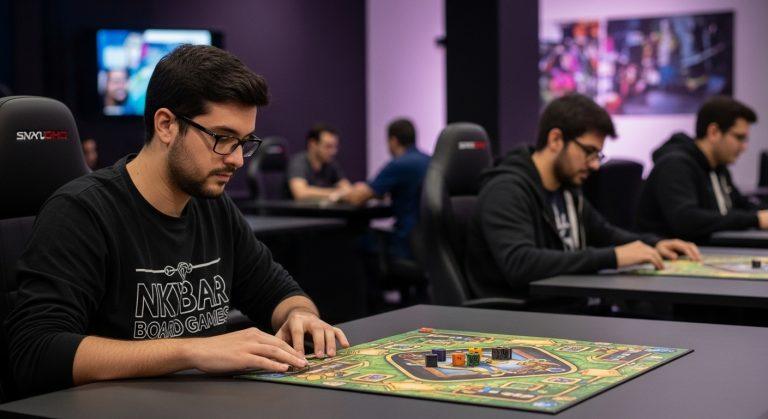
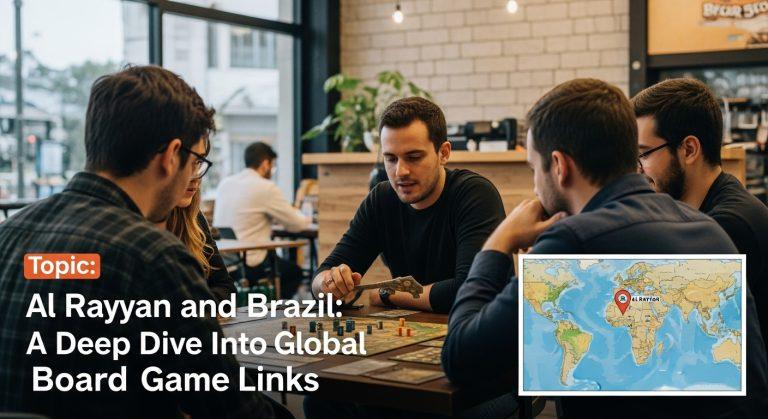
Community-driven experiences are central to the market. Clubs, cafes, and local conventions act as launchpads for new titles and as testing grounds for rule variants. Brand storytelling that speaks to Brazilian shared experiences—regional history, sports culture, and popular media—can create resonance beyond the table. For lingard Board Games Brazil, community engagement should extend beyond product; it should include structured play experiences, welcome events in cafes, and partnerships with local educators to demonstrate classroom-friendly utility.
Accessibility and affordability influence purchase decisions. Bundles, promos, and tiered products help players enter the hobby with lower risk. A long-tail strategy—releasing a small, well-curated set of core titles followed by occasional expansions—can help sustain visibility without overextending a small team. The practical takeaway is to build a portfolio that is easy to stock, easy to learn, and easy to share with friends and family.
Strategic Scenarios for lingard Board Games Brazil
Given the above landscape, four strategic levers emerge as most consequential for lingard Board Games Brazil:
1) Localization as a Growth Engine. Prioritize Portuguese translations, local idioms in rulebooks, and culturally attuned packaging. Even small localization improvements can yield outsized loyalty gains in a market where players frequently cite language clarity as a barrier to adoption.
2) Distribution Partnerships. Develop a two-tier approach: a core set of titles distributed through established Brazilian distributors and a secondary line distributed directly through an online store with robust Portuguese support and local delivery incentives. This reduces stock risk while enabling rapid experimentation with price points and formats.
3) Community and Education Partnerships. Collaborate with gaming cafes and schools to run structured play sessions, tournaments, and classroom curricula. If players experience a title as both entertaining and educational, word-of-mouth growth accelerates and the brand earns credibility in wider social circles.
4) Local Design and IP Adaptation. Consider licensing or co-design opportunities with Brazilian designers to ensure mechanics and artwork feel native. A locally resonant design language improves reception, supports brand longevity, and fosters a sense of ownership among players.
5) Risk-aware Product Pipeline. Balance the catalog between accessible, mass-market titles and deeper, strategic games for the hobbyist segment. A disciplined product schedule helps maintain visibility while avoiding inventory glut and cash-flow stress.
These levers are not mutually exclusive. A prudent plan blends gradual localization, strategic distribution, and community-building to craft a durable, locally relevant brand narrative around lingard Board Games Brazil.
Risks and Opportunities
The Brazilian market, while promising, carries specific risks that require thoughtful mitigation. Import duties, currency volatility, and logistics costs can compress margins on imported titles. To counter this, a mixed catalog with a balance of local and imported titles, as well as selective in-country production or assembly, can preserve competitiveness. Intellectual property considerations must also be navigated carefully; clear licensing for artwork and trademarks helps protect the brand against counterfeit or infringing products that could damage credibility.
On the opportunity side, Brazil’s large and tech-connected youth population, coupled with a growing culture of family gaming, offers expanding potential for a dedicated brand like lingard Board Games Brazil. Partnerships with educational partners, plus a social-media strategy that highlights accessible entry points and community events, can deliver compound benefits—brand affinity, repeat purchases, and word-of-mouth growth that compounds over time.
Actionable Takeaways
- Prioritize Portuguese localization for rulebooks and packaging to reduce adoption friction.
- Establish a trusted distribution partner while piloting a direct-to-consumer channel to test pricing and response quickly.
- Launch a community program with cafes and schools to create recurring play sessions and feedback loops.
- Curate a balanced product line that blends accessible family games with deeper strategy titles to attract diverse players.
- Invest in local design collaboration to ensure products feel culturally aligned and authentically Brazilian.