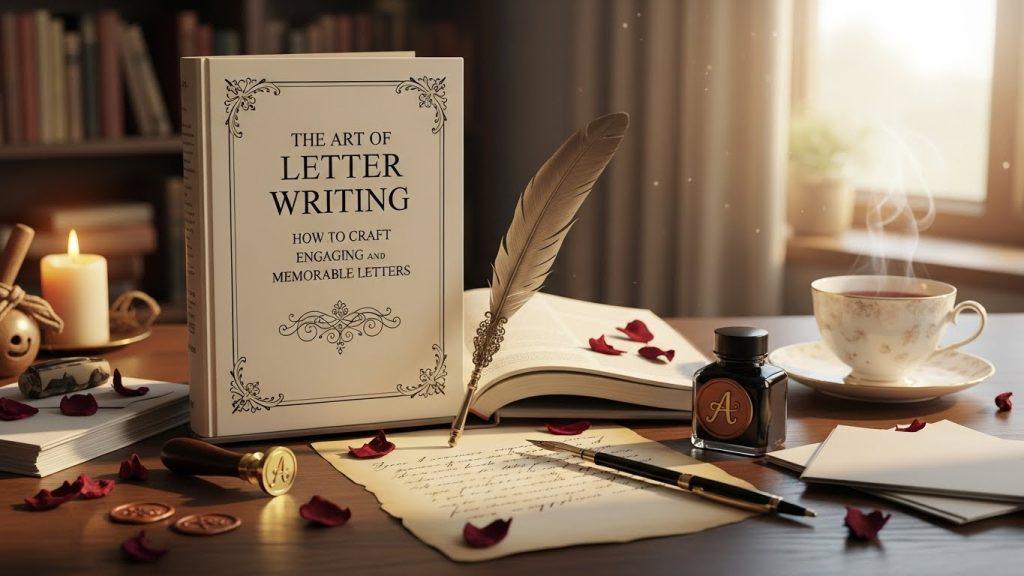
The Art of Letter Writing: How to Craft Engaging and Memorable Letters
In an era dominated by instant messaging and social media, the art of letter writing may seem like a relic from the past. However, the charm and personal touch of a well-crafted letter remain unparalleled. Whether you’re writing a heartfelt note to a loved one, a formal letter to a business associate, or a thank-you note, the skills involved in letter writing can create a lasting impression. This article explores the nuances of crafting engaging and memorable letters, providing tips and insights for those who wish to master this timeless art.
The Importance of Letter Writing
Letter writing has been a crucial form of communication for centuries, allowing people to share thoughts, emotions, and news across distances. Despite the technological advancements in communication, letters hold a unique place in our hearts. They offer a tangible connection that digital messages often lack. A letter can be held, cherished, and revisited, serving as a lasting reminder of a particular moment or relationship.
Understanding the importance of letter writing can inspire you to embrace this form of communication. It encourages thoughtfulness, patience, and a deeper connection between the writer and the recipient. Furthermore, letters can serve as historical documents, preserving personal and cultural narratives for future generations.
Types of Letters

Before diving into the intricacies of letter writing, it’s essential to understand the different types of letters and their purposes. Each type requires a unique approach and tone to effectively convey the intended message.
- Personal Letters: These are informal letters exchanged between friends and family. They often include personal anecdotes, emotions, and news. Personal letters offer a glimpse into the writer’s life and can strengthen relationships by sharing intimate thoughts.
- Business Letters: Typically formal and structured, business letters are used for professional communication. They may include cover letters, recommendation letters, and inquiries. The tone is usually polite and concise, focusing on clarity and professionalism.
- Thank-You Letters: Expressing gratitude is a fundamental aspect of social etiquette. Thank-you letters can be personal or professional, offering appreciation for a gift, service, or opportunity.
- Love Letters: These letters express romantic feelings and emotions. They can be poetic or straightforward, often capturing the essence of a relationship and the writer’s affection for the recipient.
Elements of a Memorable Letter
Crafting a memorable letter involves several key elements that ensure your message is engaging and impactful. Here are some components to consider:
1. A Strong Opening
The opening of your letter sets the tone and captures the reader’s attention. For personal letters, a warm greeting or a personal anecdote can be effective. In business letters, a direct statement of purpose establishes clarity and professionalism.
2. Clear Structure
Organizing your letter with a clear structure helps convey your message effectively. Begin with an introduction, followed by the body where you expand on your main ideas, and conclude with a thoughtful closing. This approach ensures your letter is easy to follow and understand.
3. Expressive Language
Choose words that reflect your emotions and intentions. Whether you’re writing a heartfelt note or a professional letter, using expressive language can make your message more engaging. For instance, instead of saying “I’m happy,” consider “I’m overjoyed” to convey a stronger emotion.
4. Personal Touch
Adding a personal touch can make your letter more memorable. Mention specific details or experiences that are meaningful to the recipient. This shows that you’ve put thought and effort into your message, strengthening the connection between you and the reader.
5. A Thoughtful Conclusion
Conclude your letter with a warm closing that reinforces your message. In personal letters, express your hope for future communication or send good wishes. In business letters, reiterate your appreciation and include a call to action if necessary.
Practical Tips for Letter Writing
Now that we’ve covered the elements of a memorable letter, here are some practical tips to enhance your letter-writing skills:
1. Choose the Right Medium
Decide whether your letter will be handwritten or typed. Handwritten letters offer a personal touch but may not be suitable for formal communication. Typed letters are more professional and can be easily edited for clarity and precision.
2. Use Proper Formatting
Ensure your letter is properly formatted, with a clear address, date, and salutation. For business letters, use a formal layout with the recipient’s address at the top, followed by your address. In personal letters, you have more flexibility with the format.
3. Be Concise
Avoid unnecessary details that can detract from your main message. Be concise and focus on the purpose of your letter. This is especially important in business communication, where clarity and brevity are valued.
4. Proofread Your Letter
Before sending your letter, take the time to proofread it for grammar, spelling, and punctuation errors. A well-edited letter reflects attention to detail and enhances your credibility as a writer.
5. Consider the Recipient’s Perspective
Put yourself in the recipient’s shoes and consider how they might perceive your message. This empathy can help you tailor your tone and language to suit their preferences and expectations.
Examples and Inspiration
If you’re seeking inspiration for your letters, consider exploring famous letters from history. For instance, letters from figures like Albert Einstein or Abraham Lincoln offer insights into their personalities and the art of communication. These letters often reflect the writer’s eloquence and the impact of carefully chosen words.
Additionally, literature can provide examples of beautifully written letters. Works like George Orwell’s 1984 or Jane Austen’s Pride and Prejudice include letters that reveal the characters’ emotions and motivations, offering a rich source of inspiration for your writing.
Takeaways
The art of letter writing is a timeless skill that continues to hold relevance in our fast-paced digital world. By embracing this form of communication, you can connect with others on a deeper level and create lasting memories. Whether you’re writing to express love, gratitude, or professional intent, the principles of engaging and memorable letter writing remain consistent. With practice and attention to detail, you can master the art of crafting letters that resonate and endure.
Preserving the Art of Letter Writing for Future Generations
As we continue to rely on digital communication, it’s crucial to preserve the art of letter writing for future generations. This not only ensures that this skill does not become obsolete but also allows us to maintain a richer, more diverse form of communication. Here are some ways to encourage the practice of letter writing:
1. Incorporate Letter Writing into Education
Introducing letter writing in educational curricula can expose young minds to its value and techniques. By teaching students how to craft letters, educators can help them develop critical thinking and empathy. Writing letters as part of school assignments or projects can make this practice both educational and enjoyable.
2. Celebrate Letter Writing Through Events
Organizing events such as letter-writing workshops or letter exchanges can promote the practice within communities. These events can be themed around various occasions, such as holidays, anniversaries, or historical events, and can bring people together to share in the joy of writing and receiving letters.
3. Encourage Personal Projects
Encouraging individuals to start personal projects, such as maintaining a correspondence with a pen pal or writing letters to future generations, can keep the tradition alive. These projects offer a sense of purpose and allow writers to explore their creativity and connect with others in meaningful ways.
4. Leverage Technology to Promote Letter Writing
While technology often replaces traditional practices, it can also be used to promote them. Platforms and apps designed to facilitate letter writing, such as digital stationery or letter-writing communities, can bridge the gap between old and new forms of communication. By integrating technology, we can make letter writing accessible and appealing to a broader audience.
The Emotional Impact of Receiving Letters
Receiving a letter can evoke powerful emotions, making the experience memorable and impactful. Here are some reasons why letters hold such emotional significance:
- Tangible Connection: A letter is a physical object that represents the time, effort, and thoughtfulness of the sender. Holding a letter in one’s hands can create a sense of closeness and connection that digital messages often lack.
- Personalized Content: Letters are inherently personal, as they are crafted with the recipient in mind. This personalization can make the recipient feel valued and appreciated, knowing that the sender has taken the time to create a message just for them.
- Lasting Memories: Letters can be kept and revisited, serving as a reminder of a specific moment or relationship. This lasting quality allows recipients to cherish their letters over time, making them a valuable keepsake.
- Emotional Reflection: The act of reading a letter encourages reflection and introspection. As recipients engage with the content, they may experience a range of emotions, from joy and nostalgia to empathy and understanding.
Conclusion: Reviving the Lost Art
In conclusion, the art of letter writing is more than a nostalgic pastime; it is a valuable form of communication that fosters connection, empathy, and creativity. By embracing this practice, we can enrich our relationships and preserve a tradition that has shaped human communication for centuries. Whether you’re writing to a loved one, a colleague, or even to yourself, the effort you put into crafting a letter will surely be appreciated and remembered.
As we move forward, let’s strive to revive the lost art of letter writing and pass it on to future generations. By doing so, we can ensure that this enduring form of communication continues to thrive in a world that increasingly favors speed over substance.
About the Author