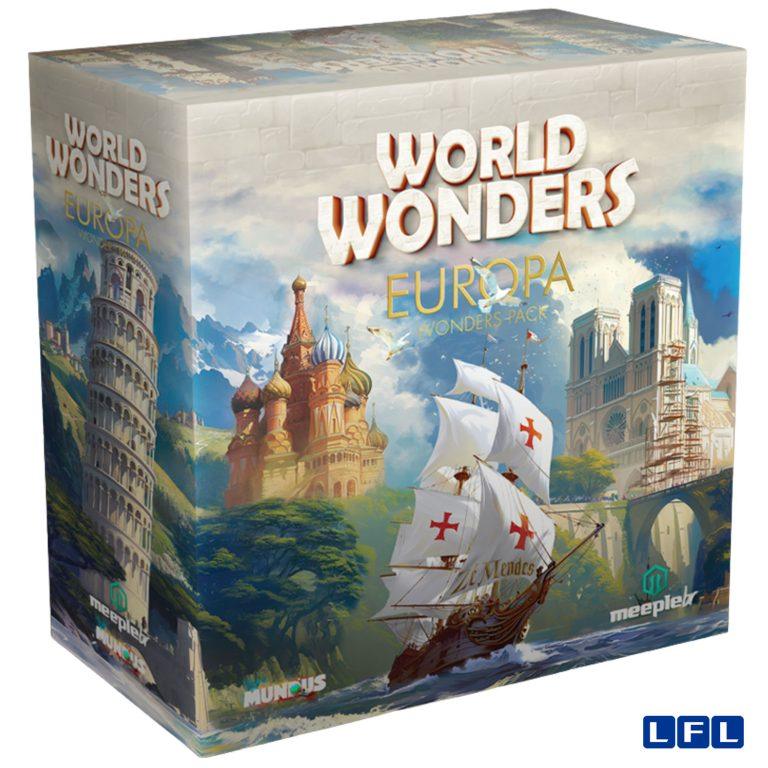
Exploring Cultural Influences in Modern Board Games: A Deep Dive
The world of board games has experienced a renaissance over the past few decades. From family gatherings to competitive events, board games have become a beloved pastime for people around the globe. An intriguing aspect of this resurgence is how modern board games are increasingly influenced by diverse cultures. This article delves into how cultural elements are shaping the design, themes, and mechanics of today’s board games, while also examining the impact of these influences on players’ experiences.
The Rise of Culturally-Enriched Board Games
In recent years, there has been a noticeable trend towards board games that incorporate cultural themes and narratives. This shift is partly driven by the globalization of the board game industry, allowing designers from various backgrounds to contribute their unique perspectives. As a result, players are treated to a rich tapestry of cultural stories and traditions, enhancing the gaming experience and fostering a deeper understanding of different cultures.
For example, games like Tokaido and Raiders of the North Sea have gained popularity for their immersive portrayal of Japanese and Norse cultures, respectively. These games not only provide entertainment but also serve as educational tools, offering insights into the history, art, and customs of the cultures they depict.
Cultural Storytelling through Board Games
One of the most compelling aspects of culturally influenced board games is their ability to tell stories. Through intricate narratives and thematic elements, these games invite players to step into different worlds and experience life from another perspective. This storytelling aspect is often enriched by the use of culturally specific art, symbols, and language, which add depth and authenticity to the game.

A prime example is Puerto Rico, a game that transports players to the Caribbean during the colonial era. By managing plantations and trading goods, players learn about the historical and economic factors that shaped the region. Similarly, Spirit Island flips the colonial narrative by allowing players to take on the role of island spirits working to protect their land from invaders, offering a fresh perspective on the impact of colonization.
Game Mechanics Inspired by Cultural Practices
Beyond storytelling, cultural influences can also be found in the mechanics of board games. Designers often draw inspiration from cultural practices and traditions to create unique and engaging gameplay experiences. This approach not only adds authenticity but also introduces players to new ways of thinking and problem-solving.
For instance, the board game Go, which originated in China over 2,500 years ago, is based on the concept of capturing territory. Its strategic depth and simplicity have made it a beloved game worldwide, influencing countless modern games. Another example is Mancala, a family of games with roots in Africa and the Middle East, which emphasizes resource management and strategic planning.
Challenges and Considerations
While the incorporation of cultural themes in board games offers numerous benefits, it also presents challenges. Designers must navigate the fine line between cultural appreciation and appropriation, ensuring that the cultures depicted are represented with respect and accuracy. This often involves extensive research and collaboration with cultural experts to avoid perpetuating stereotypes or inaccuracies.
Furthermore, the globalization of board games means that designers must consider how their games will be received by diverse audiences. What may be seen as a respectful homage in one culture could be misunderstood or offensive in another. As such, cultural sensitivity and awareness are crucial in the design process.
The Impact on Players and Communities
The cultural influences in modern board games have a profound impact on players and communities. By exposing players to different cultures, these games promote empathy, understanding, and global awareness. They encourage players to explore new perspectives and challenge their preconceived notions, fostering a more inclusive and connected world.
Additionally, culturally enriched board games can help preserve and celebrate cultural heritage. They provide a platform for lesser-known cultures to share their stories and traditions with a wider audience, ensuring that these narratives are not lost to time. This is particularly important for indigenous cultures, which may not have as much representation in mainstream media.
The Future of Cultural Influences in Board Games
As the board game industry continues to evolve, it is likely that cultural influences will play an even more significant role in shaping the games of the future. Advances in technology, such as virtual and augmented reality, present new opportunities for designers to create immersive cultural experiences. These technologies can add new layers of interactivity and engagement, allowing players to explore cultural landscapes in unprecedented ways.
Moreover, as the world becomes increasingly interconnected, collaborations between designers from different cultural backgrounds will become more common. These partnerships can lead to the creation of innovative games that blend diverse cultural elements, offering players a truly global gaming experience.
Takeaways
The exploration of cultural influences in modern board games highlights the industry’s potential to be both entertaining and educational. By incorporating cultural themes, narratives, and mechanics, board games can serve as powerful tools for fostering cultural understanding and appreciation. As designers continue to draw inspiration from the rich tapestry of global cultures, players can look forward to a diverse array of games that celebrate the beauty and complexity of our world.
For those interested in further exploring this topic, there are numerous resources available online that delve deeper into the intersection of culture and board games. Whether you’re a seasoned gamer or a curious newcomer, the world of culturally enriched board games offers endless opportunities for discovery and enjoyment.
Encouraging Cultural Dialogue Through Board Games
One of the significant benefits of culturally influenced board games is their ability to spark conversation and dialogue. When players gather around the table, they are not only engaging in the mechanics of the game but also interacting with the cultural elements it presents. This interaction can lead to discussions about cultural practices, historical events, and societal norms, enabling players to share insights and learn from one another.
Games like Five Tribes, set in the mythical land of Naqala, draw on Middle Eastern themes and characters, prompting players to explore the rich history and folklore of the region. Such games serve as a catalyst for discussions about cultural diversity and the ways in which different societies have evolved over time.
Educational Potential of Culturally Themed Board Games
Culturally themed board games also offer significant educational potential. Educators can use these games as tools to supplement traditional learning methods, providing students with a hands-on experience that enhances their understanding of different cultures. By bringing history and cultural studies into the realm of play, students can engage more deeply with the material, making learning both enjoyable and memorable.
For example, Timeline, a game that challenges players to place historical events in chronological order, can be a valuable resource in history classes. By including events from diverse cultures and regions, the game encourages students to broaden their historical perspective and appreciate the interconnectedness of global events.
Inclusivity and Representation in Board Games
As the board game industry continues to embrace cultural influences, there is a growing emphasis on inclusivity and representation. Game designers are increasingly aware of the importance of diverse representation in games, both in terms of the cultures depicted and the characters within the games. By creating games that reflect a wide range of cultural experiences, the industry can become more inclusive and welcoming to players from all backgrounds.
One notable example is Azul, a game inspired by the art of Portuguese tiles. The game not only showcases the beauty of this traditional art form but also features inclusive artwork that reflects the diversity of the players who enjoy it. Such efforts are crucial in ensuring that all players feel seen and valued within the gaming community.
Case Studies of Culturally Influenced Board Games
Several board games stand out for their successful incorporation of cultural elements. Let’s take a closer look at a few case studies:
- Mombasa: This economic strategy game is set in 19th-century Africa and involves players in the expansion of trading companies. While the game delves into the era of exploration and trade, it also encourages players to consider the complexities of colonial history and its impact on the continent.
- Wingspan: Although not directly cultural, this game celebrates the diversity of bird species from different regions, encouraging players to appreciate the natural world and its cultural significance. The game’s expansion sets introduce birds from various continents, highlighting the global aspect of wildlife conservation.
- Pandemic Legacy: While primarily a cooperative game about stopping global outbreaks, its diverse character roster and worldwide settings encourage players to think about global cooperation and the importance of cultural understanding in addressing global challenges.
Cultural Sensitivity in Game Design
To ensure that cultural influences in board games are handled sensitively, designers must prioritize cultural consultation and research. Engaging with cultural experts and communities can provide valuable insights and help avoid pitfalls related to misrepresentation or cultural appropriation. This collaborative approach not only leads to more accurate and respectful games but also fosters trust and goodwill between cultures.
Moreover, board game publishers can play a crucial role by supporting and promoting games that prioritize cultural sensitivity and representation. By championing diverse voices and stories, publishers can contribute to a more inclusive and vibrant gaming landscape.
Takeaways
The exploration of cultural influences in modern board games is a testament to the industry’s capacity for innovation and inclusivity. By weaving cultural elements into the fabric of gameplay, designers are not only creating engaging and educational experiences but also fostering a greater understanding and appreciation of the world’s diverse cultures. As the board game community continues to grow, it holds the potential to become a powerful tool for cultural exchange and dialogue.
Ultimately, culturally enriched board games remind us of the beauty of diversity and the value of storytelling in bridging cultural divides. Whether you’re a player, designer, or educator, embracing these games offers a unique opportunity to learn, connect, and celebrate the myriad cultures that shape our world.
About the Author