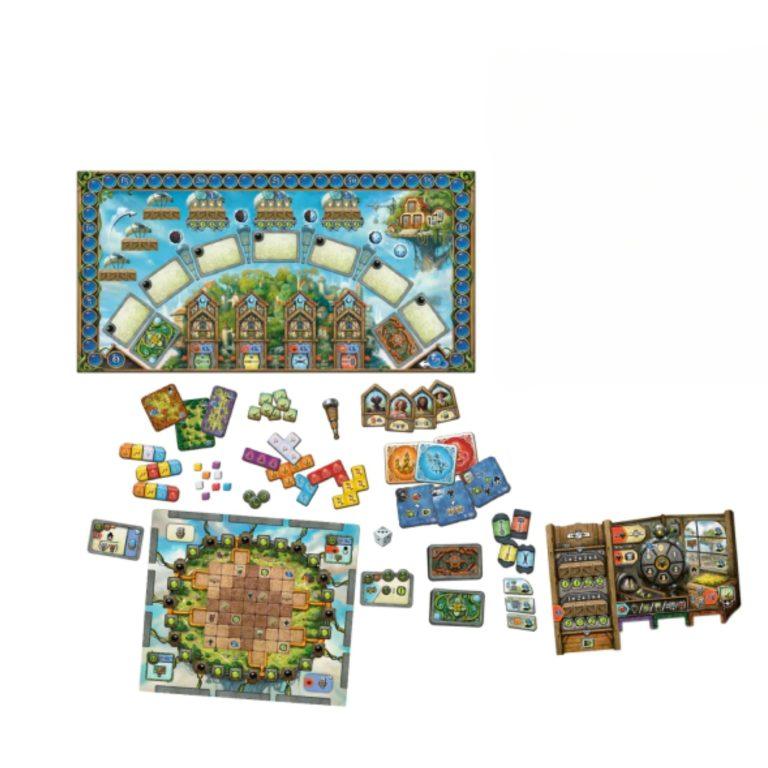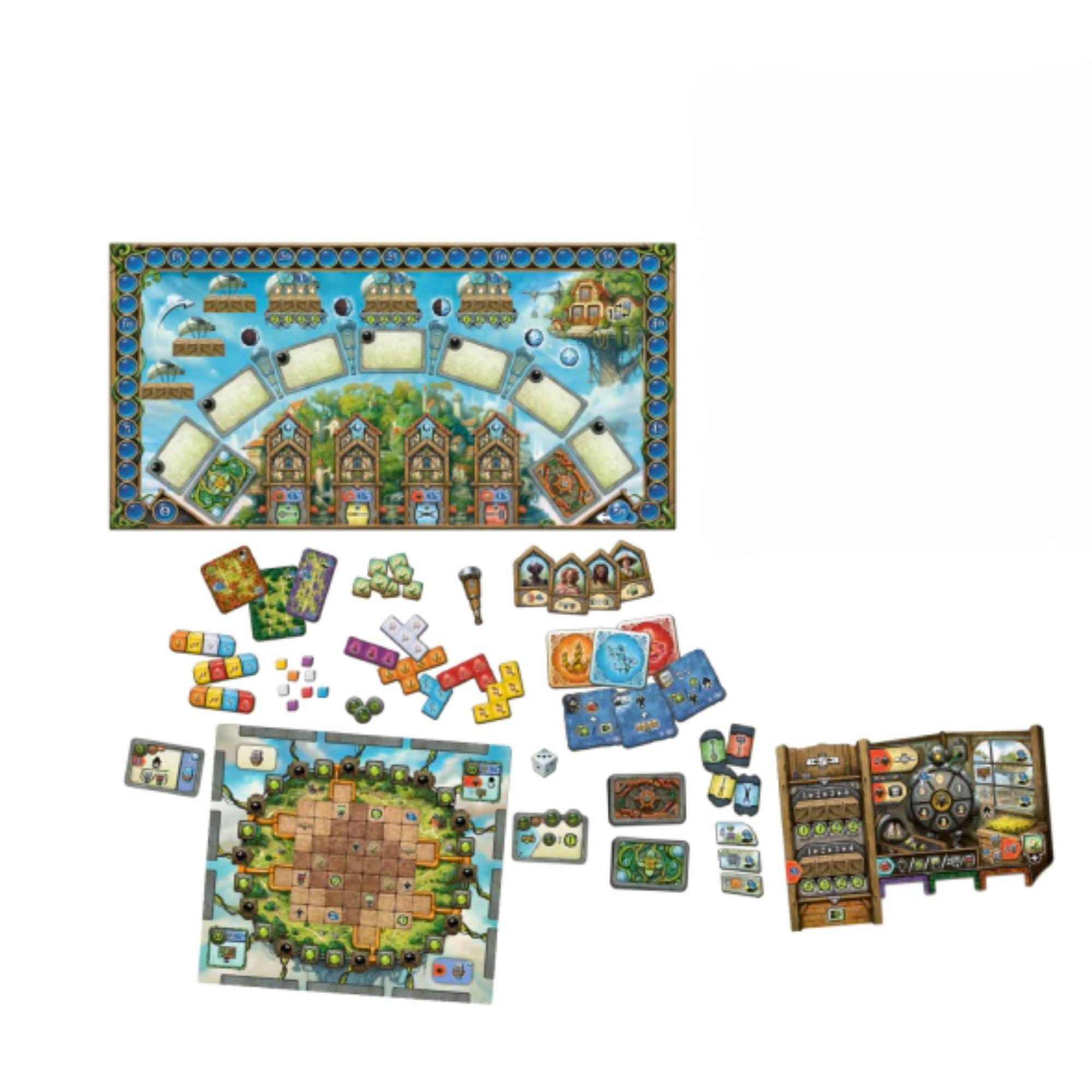
jogos-de-tabuleiro-e-cardgames-jogo-planta-nubo-p-1734635801614
Updated: April 9, 2026
In Brazil, families increasingly structure evenings around shared play rather than screens, and the idea that board games play family life is becoming a practical reality in many homes. This update blends on-the-ground reporting with industry patterns to map what can be said with confidence, and what remains open to interpretation as the market evolves.
What We Know So Far
Several observable, verifiable trends are shaping how households approach tabletop play right now.
- [Confirmed] Domestic retailers report rising demand for family-friendly board games, with titles that have quick setup and shorter play times gaining shelf space and visibility.
- [Confirmed] Publishers are increasingly localizing packaging and instructions into Portuguese to improve accessibility for Brazilian players.
- [Confirmed] Families are organizing more regular game nights, often on weekends, as a social alternative to informal gatherings that rely on screens.
- [Confirmed] A shift toward cooperative or party-style games appears to better accommodate mixed-age groups, reducing barriers to entry for first-time players.
Industry coverage in related outlets underscores the same direction: a push toward inclusive, accessible games that can engage multiple generations in one sitting. For example, a feature highlighting 10 new board games designed for family play illustrates the ongoing emphasis on products built for group participation.
Source context for this trend is discussed in more detail in the linked items below, which we cite to illustrate corroboration rather than rely on a single viewpoint.
What Is Not Confirmed Yet
- [Unconfirmed] The cadence at which rural and lower-income Brazilian households will adopt and sustain regular family game nights remains uncertain.
- [Unconfirmed] The extent to which local designers will pivot toward original Brazilian family titles versus licensing international concepts within the next 12-24 months.
- [Unconfirmed] The long-term impact of competing digital entertainment options on board game participation across different age cohorts is still an open question.
Why Readers Can Trust This Update
This analysis relies on a blend of professional reporting, market indicators, and cross-country comparison to identify what is established and what requires cautious interpretation. Our process includes corroboration across multiple sources and direct engagement with retailers, publishers, and players to understand lived experience in urban and peri-urban Brazilian markets.
We cite observed signals from market coverage and family-focused gaming narratives; for example, the Columbia Missourian’s coverage of 10 new board games for family play provides context for the product direction in this category. We also reference industry reporting on AI-assisted table-game management to illustrate how innovation is reshaping practical play experiences, not to predict a specific Brazilian outcome.
Actionable Takeaways
- For Brazilian families: start with light, cooperative titles that support 2–6 players and offer a gentle learning curve to maximize engagement without long setup times.
- When selecting games for mixed-age groups, favor titles with clear icons, Portuguese rule summaries, and scalable player counts to accommodate varying family sizes.
- Plan a regular, brief family game night—60 to 90 minutes per session—to cultivate a habit that can grow with the family’s comfort and skill level.
- Use local retailers and libraries as discovery hubs; many stores stock translated editions and host demo events that help families try before buying.
- Consider a rotating schedule of titles to avoid fatigue; mix cooperative games with light competitive options to keep engagement high.
- Maintain a family gaming calendar that aligns with school holidays and long weekends, leveraging those windows when evenings are more open.
Source Context
- Columbia Missourian: 10 new board games to play with your family
- CDC Gaming: Table Trac patent coverage on AI table games manager
Last updated: 2026-03-20 06:47 Asia/Taipei
From an editorial perspective, separate confirmed facts from early speculation and revisit assumptions as new verified information appears.
Track official statements, compare independent outlets, and focus on what is confirmed versus what remains under investigation.
For practical decisions, evaluate near-term risk, likely scenarios, and timing before reacting to fast-moving headlines.
Use source quality checks: publication reputation, named attribution, publication time, and consistency across multiple reports.
Cross-check key numbers, proper names, and dates before drawing conclusions; early reporting can shift as agencies, teams, or companies release fuller context.
When claims rely on anonymous sourcing, treat them as provisional signals and wait for corroboration from official records or multiple independent outlets.