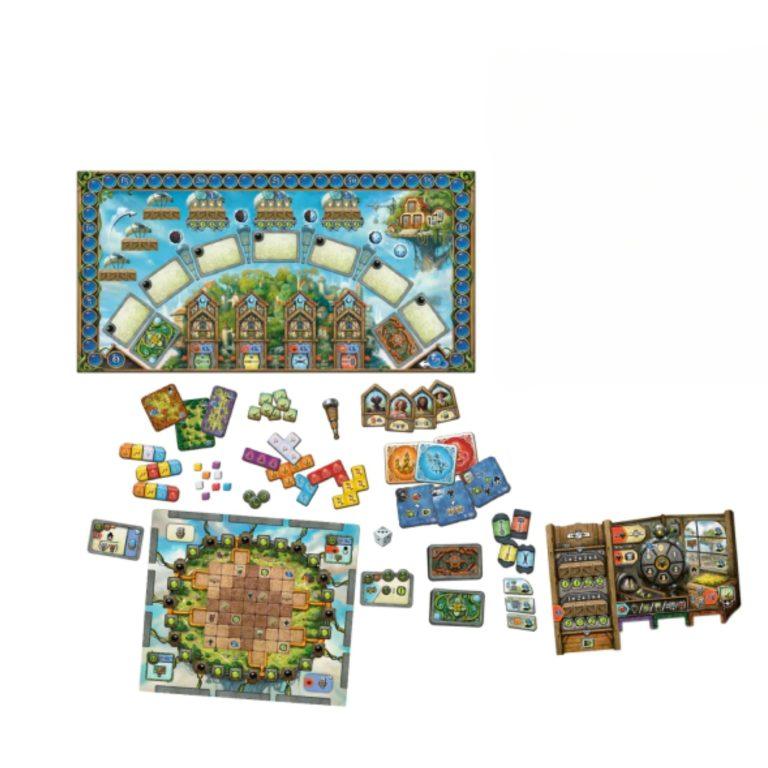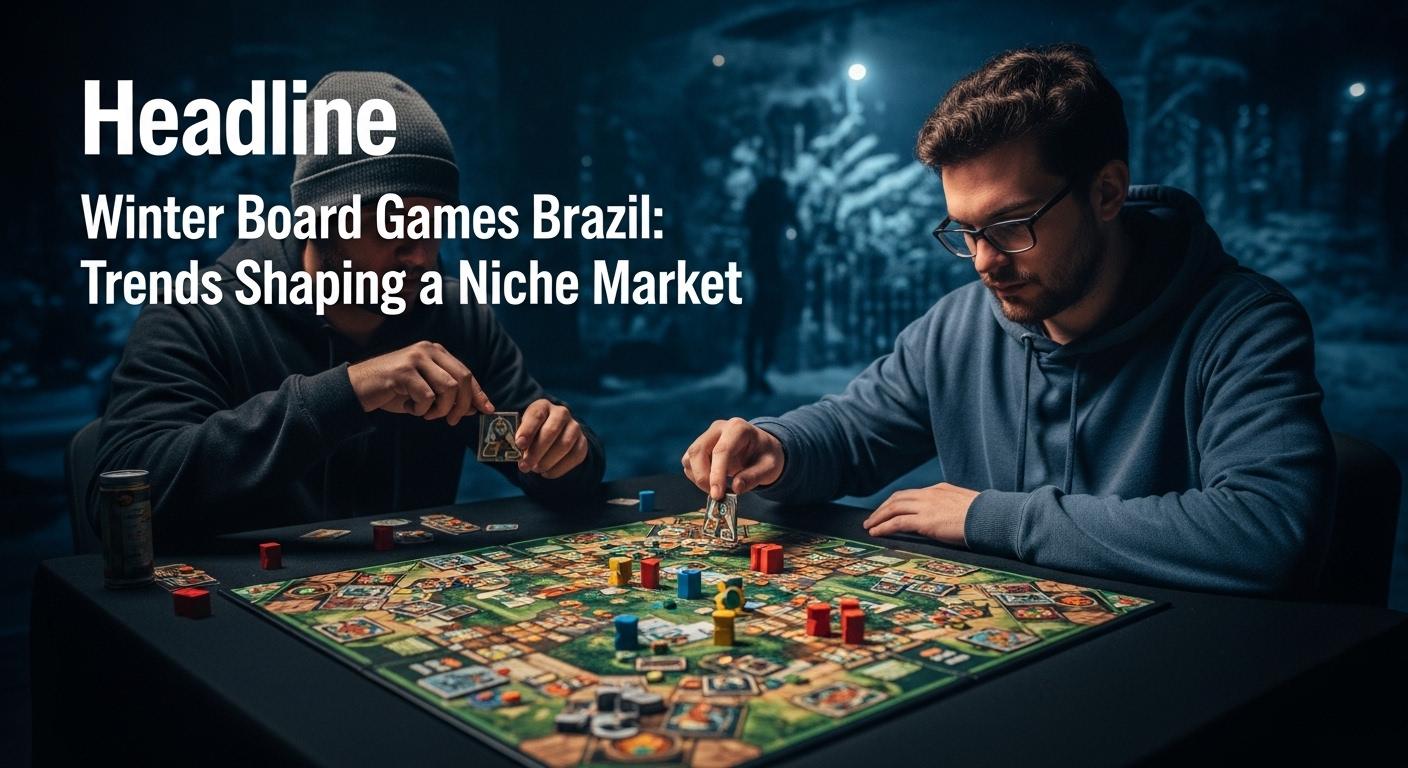
Brazilian family playing winter-themed board games indoors.
Updated: April 9, 2026
Across Brazil’s board game community, the idea of winter Board Games Brazil has become more than a marketing gimmick—it’s a frame for how hobbyists in cooler months gather, how retailers strategize, and how designers test a product’s durability in domestic markets. This analysis surveys the terrain where seasonal branding meets local habits, and asks what the niche can tell us about broader trends in Brazilian tabletop culture, especially as climate and indoor leisure converge to shape choices at the table.
Context: Winter as Theme, Not Climate
In Brazil, winter as a season is not uniform across the country. The southern states experience real cold and shorter days, while much of the nation remains warm or mild most of the year. As a result, the word winter in board game marketing often signals mood rather than a meteorological reality. Publishers lean into imagery of fireplaces, cozy nooks, and cooperative play to evoke a social ritual—one where evenings are spent indoors with friends and family rather than outdoors in a heat-fueled rush. This thematic framing matters because it broadens the appeal beyond geographic winter-windows and creates a portable, year-round opportunity for game nights in homes, schools, and game cafes. The effect is a marketing lens that prioritizes accessible, social experiences over sheer gadget complexity, a dynamic that aligns well with a Brazilian audience that values shared, low-barrier play experiences.
Nevertheless, the climate gradient inside Brazil still matters. In the south, real winter can extend gaming sessions and reinforce the desire for robust, durable components capable of withstanding frequent use. In the north and central regions, where outdoor comfort remains high for most months, the wintry aesthetic functions more as a cultural cue—an invitation to create a retreat-like mood during indoor gatherings. The net effect is a marketing and design ecosystem that treats winter as an evergreen motif rather than a seasonal spike, enabling steady demand through repeated, familiar play patterns rather than rare, seasonal surges.
Market Dynamics: Retail, Production, and Import Flows
Brazil’s board game market has matured beyond one-off hobbyist purchases. Retail channels—local hobby shops, game cafes, and increasingly popular e-commerce platforms—now coordinate seasonal campaigns tied to indoor leisure. The winter-themed frame helps retailers package bundles, host in-store events, and cross-promote with complementary products like puzzle books or cozy décor. The result is a modest but measurable shift: more frequent, community-driven purchases aimed at building recurring game nights rather than single, high-spend releases.
On the supply side, producers balance aesthetics with durability. Boxes that survive frequent handling, rulebooks translated into Brazilian Portuguese, and components that resist wear are prioritized for the Brazilian market. International shipments and currency fluctuations influence pricing and availability, particularly for European or North American titles that leverage winter motifs or seasonal art. Local publishers, when possible, pursue partnerships with Brazilian printers to shorten lead times and reduce import risk, while still drawing on global design trends for narrative and mechanics. In this environment, successful titles tend to pair approachable rules with modular components that scale up for larger groups, a practical fit for Brazil’s often multi-generational play sessions.
Design and Accessibility: Localization and Play Styles
Accessibility is a central design lens for winter Board Games Brazil. Translations into Brazilian Portuguese are more than a matter of wording; they ensure rules are scannable, examples are culturally resonant, and references feel familiar to first-time players. Designers increasingly favor clear, visual rule layouts, iconography that reduces language friction, and quick-start scenarios that allow a first game to be played within minutes of opening the box. In addition, the domestic market rewards sanitizable, durable components: thicker boards, sturdy cardboard, and pieces that can survive repeated handling by new players. Aesthetic choices—cozy color palettes, warm lighting cues on artwork, and winter-themed illustrations—are balanced against price points to maintain affordability without sacrificing perceived value. For households with children, included mechanisms for teachable moments—counting, basic resource management, and cooperative problem-solving—are a meaningful differentiator that can convert curious newcomers into regular players.
The regional language dynamic is explicit here as well. Localization is not simply printing in Portuguese; it is adapting idioms, examples, and penalties to what Brazilian families understand and enjoy. This extends to online play tutorials, which increasingly accompany physical releases as a bridge to the wider Brazilian audience that participates in the global board game community via streaming and social media. The upshot is a more inclusive catalog where newcomers can jump in quickly, learn through play, and feel a sense of belonging from the first night at the table.
Regional Variations: South and Indoor Culture
Brazil’s regional diversity shapes how winter-themed titles perform. The southern states, which experience more pronounced seasonal shifts, tend to favor longer, more social sessions—games that reward collaborative problem-solving and group dynamics. In contrast, urban centers in the northeast and midwest often emphasize friends-and-family nights within multipurpose spaces like game cafes or school clubs, where the appeal is less about the weather and more about consistent, repeatable evenings. This regional nuance influences everything from game length and complexity to marketing messages and event scheduling. In practice, the same title can be positioned as a classroom-friendly cooperative experience in one city, and a casual, family-friendly entry point in another. For Brazil’s growing scene, this regional flexibility is a competitive advantage, allowing publishers to tailor promotions, language variants, and package contents to local norms without altering core design philosophy.
Actionable Takeaways
- Retailers should synchronize winter-themed campaigns with school calendars and local game-night initiatives; partner with cafes and libraries to host recurring events that build habit.
- Publishers and designers should prioritize Brazilian Portuguese rulebooks, clear iconography, and durable components to reduce friction for new players and families.
- Design iterations should emphasize social play, modular components, and shorter play times to fit busy Brazilian households and multi-generational groups.
- Community organizers can leverage the cozy mood to run beginner-friendly nights, with guided sessions that demystify modern mechanics and encourage word-of-mouth growth.
- Educators and parents can integrate winter-themed games into classroom or home learning, using cooperative mechanics to build literacy, numeracy, and teamwork skills while reinforcing language use in Portuguese.