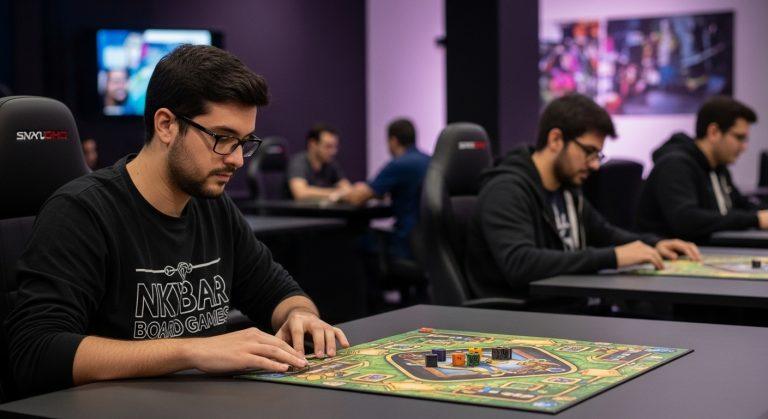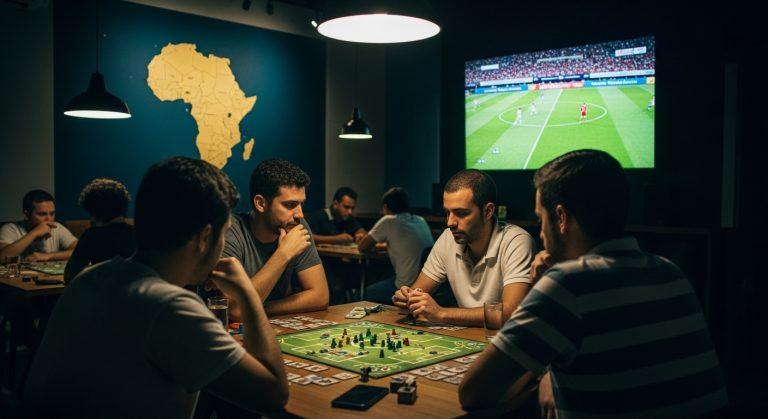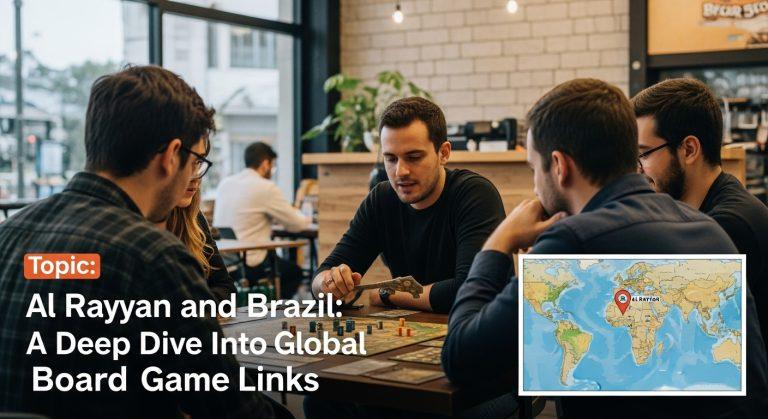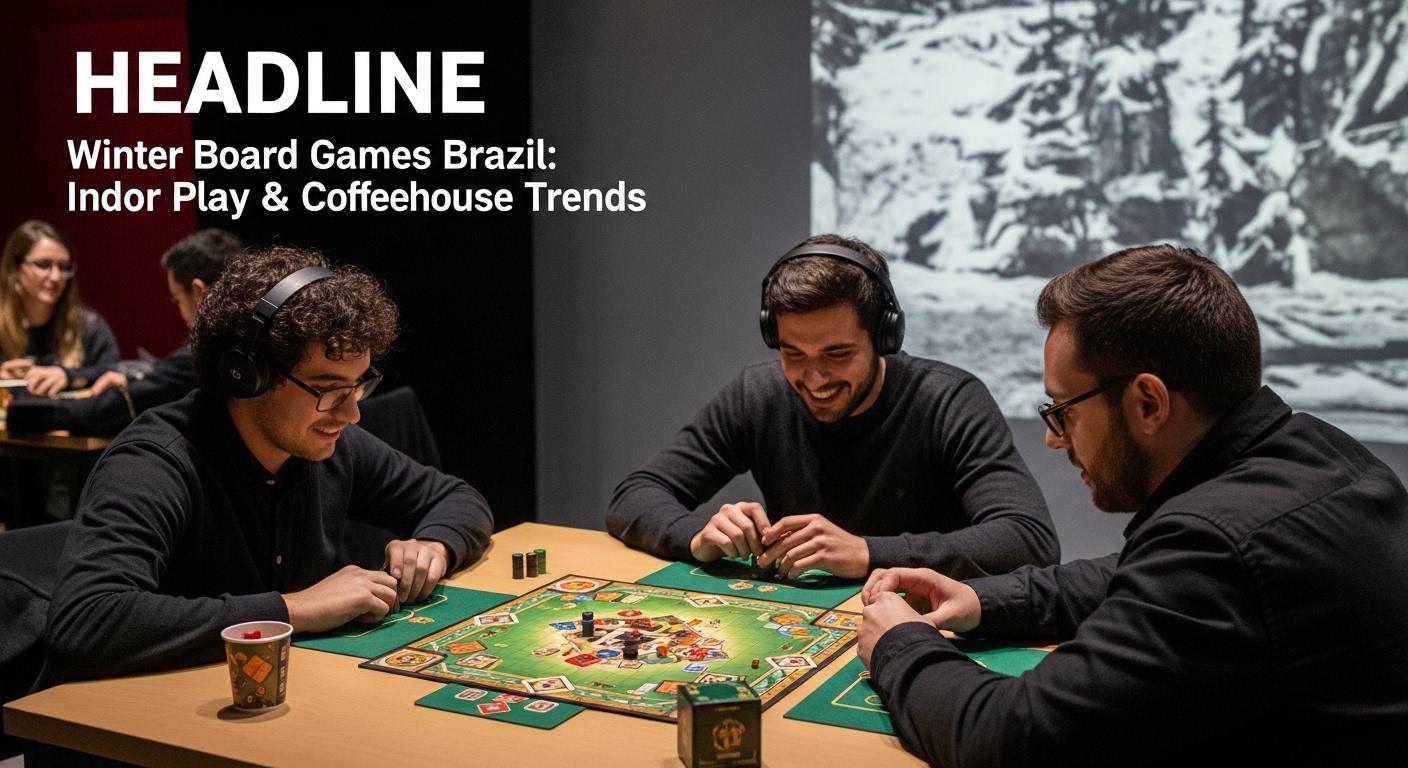
People playing board games in a Brazilian cafe during winter, with warm lighting and stacks of colorful games on a shelf
Updated: April 9, 2026
Brazil’s winter season tends to be mild by global standards, yet in much of the country it nudges people toward indoors, where tables, boards, and friendly competition take on new life. For Brazilian players and observers, the phrase winter Board Games Brazil encapsulates a moment when evenings lengthen, cafes fill with enthusiastic groups, and publishers recalibrate recommendations for a market that blends cosmopolitan tastes with regional preferences. This analysis examines how climate, urban life, and the economics of board games intersect to shape what comes to the table, who shows up, and how the local scene navigates the global supply of titles. By mapping weather-driven habits to retail cycles, community spaces, and game design priorities, we can forecast likely trajectories for players and publishers as Brazil’s board game culture grows more sophisticated and more diverse.
Regional Climate and Indoor Play
In southern states such as Rio Grande do Sul, Santa Catarina, and Paraná, winters bring cooler evenings and longer dark hours. Even when temperatures do not dip below freezing, the environment encourages households to retreat indoors, where families and friends gather around a table to play, discuss strategy, or simply share a quiet moment with a competitive puzzle. Across Brazil’s larger urban centers, this seasonal shift compounds existing patterns of leisure: people prioritize low-risk, high-engagement games that fit into social routines after work or school. The upshot is a tilt toward games that reward group interaction, sustained engagement, and cooperative or semi-cooperative play that sustains conversation during longer play sessions. The climate cue—more time indoors—acts as a catalyst, not a cause, conditioning players to value weightier titles, revised rotation of favorites, and longer evenings spent around a single table.
Beyond the climate, the region’s infrastructure matters. In smaller cities, community hubs like ludotecas (game libraries) and neighborhood cafés emerge as reliable anchors for winter gatherings. In megacities, game nights at cafés become predictable cultural rituals—weekly events that pair a curated shelf of titles with the social capital of shared experience. The weather signal interacts with urban rhythms: office hours, school calendars, and festival calendars shape when players are most available, and the result is a predictable uptick in longer, more intricate games as the season progresses.
Retail, Localization, and the Market Pulse
Market dynamics during Brazil’s winter are shaped by how publishers address local language needs and distribution networks. Portuguese localization is not only a matter of accessibility but also of long-term adoption: translated rulebooks lower entry barriers for casual players and support the longevity of hobbyist communities. Localization work pairs with a growing appetite for titles that balance playability with depth, enabling both family nights and more intense evenings of gaming without requiring a language barrier as a prerequisite for engagement. Local distributors play a pivotal role, serving as bridges between global catalogs and Brazilian stores, cafes, and libraries, and they help synchronize restocks with the season’s demand spikes. In practice, shops and cafés curate a rotating catalog that favors two categories: approachable eurogames and narrative-driven experiences that invite discussion and long play times, both well-suited to winter sessions.
The retail pulse also reflects logistics realities. The winter period often coincides with intensified import activity and year-end promotions, which can affect price visibility and availability. For Brazil’s hobbyists, this means that the most reliable path to seasonal favorites is through local retailers who bundle demos, in-store play, and Portuguese-language materials with purchase incentives. Emphasizing localization can also drive word-of-mouth growth as players translate themselves into more complex titles, talk through rules, and invite friends to try a new game metropolitan areas. The result is a cycle: localization encourages adoption, adoption fuels demand, and demand justifies more local publishing efforts in subsequent seasons.
Communities, Cafés, and Seasonal Rituals
The winter season often makes cafés and community spaces more vibrant as people seek sociable, screen-free entertainment. In Brazil, cafés that host “noites de jogos” (game nights) provide curated spaces where newcomers learn through play with experienced players, while regulars appreciate the opportunity to test new titles and compare strategies. These spaces function as social infrastructure—learning hubs where strategies spread, conventions form, and new locals become part of a self-reinforcing feedback loop. The seasonal cadence matters: winter evenings tend to be longer and cooler, which encourages multi-session events and longer, more involved campaigns. The social nature of these gatherings reinforces a culture of peer recommendation, which is particularly powerful in a market where personal endorsement weighs heavily in decisions to try or buy a new game.
Educators, clubs, and libraries also engage with winter as a time for programming that blends entertainment with learning. When translated materials align with classroom-time needs, educators can leverage semi-cooperative and cooperative titles to develop teamwork, negotiation, and probabilistic thinking. The net effect is a broader audience, extending the season’s impact beyond the traditional hobbyist circle into families and schools, thereby enriching the long-term health of Brazil’s board game ecosystem.
The Path Forward for Players and Publishers
Looking ahead, several forces will shape the winter landscape for Board Games in Brazil. First, ongoing localization and culturally resonant publishing—Portuguese-language versions, culturally relevant themes, and regionally inspired art—will help titles cross from novelty to necessity. Second, partnerships between cafes, libraries, and local distributors can create sustainable event calendars, promoting regular play and encouraging players to expand their libraries through demos and trials. Third, the growth of digital complementarity—online tutorials, streaming, and platform-based playgroups—can help translate the seasonal indoor boom into year-round engagement, with in-person winter sessions acting as an on-ramp for deeper participation during other seasons. Finally, local designers and publishers can leverage the winter-friendly format to pilot campaigns with Portuguese rules, clearer print runs, and flexible pricing strategies that address a broader spectrum of players, from families to serious strategists.
Actionable Takeaways
- Players: plan at least one monthly game night during the winter months and try a Portuguese-language title to broaden participation.
- Cafés and clubs: host rotating demos, tie-in with local publishers, and offer seasonal bundles that encourage longer table sessions.
- Publishers and distributors: prioritize Portuguese localization, build strong ties with local game spaces, and schedule staggered restocks to accommodate winter demand.
- Educators and libraries: select family-friendly euros and cooperative games for classroom use, pairing sessions with teacher guides and curricula links.
- Retailers: curate a rotating winter catalog emphasizing accessible heavier titles alongside popular party games to appeal to mixed groups.
Source Context
Actionable Takeaways
- Track official updates and trusted local reporting.
- Compare at least two independent sources before sharing claims.
- Review short-term risk, opportunity, and timing before acting.