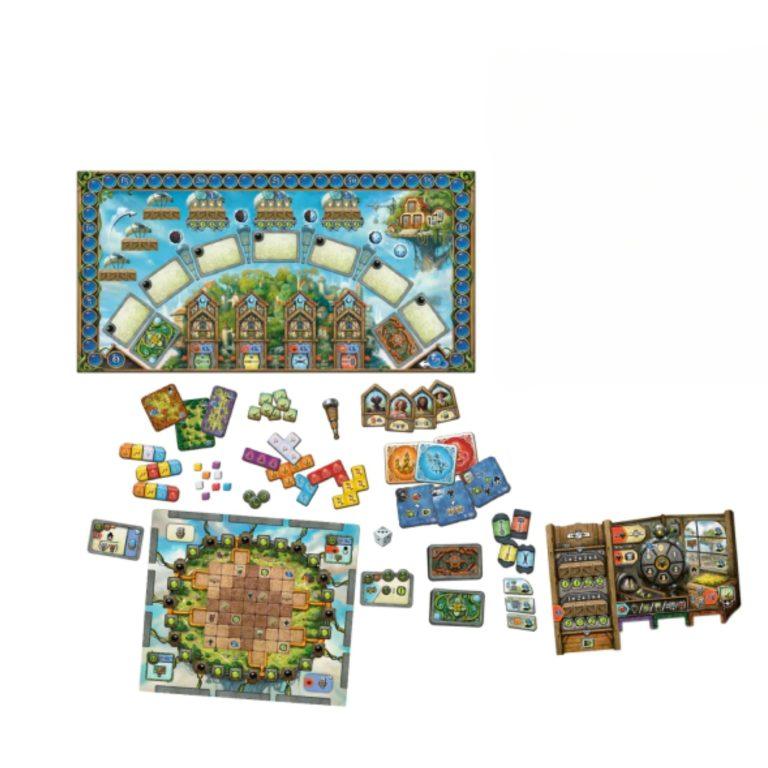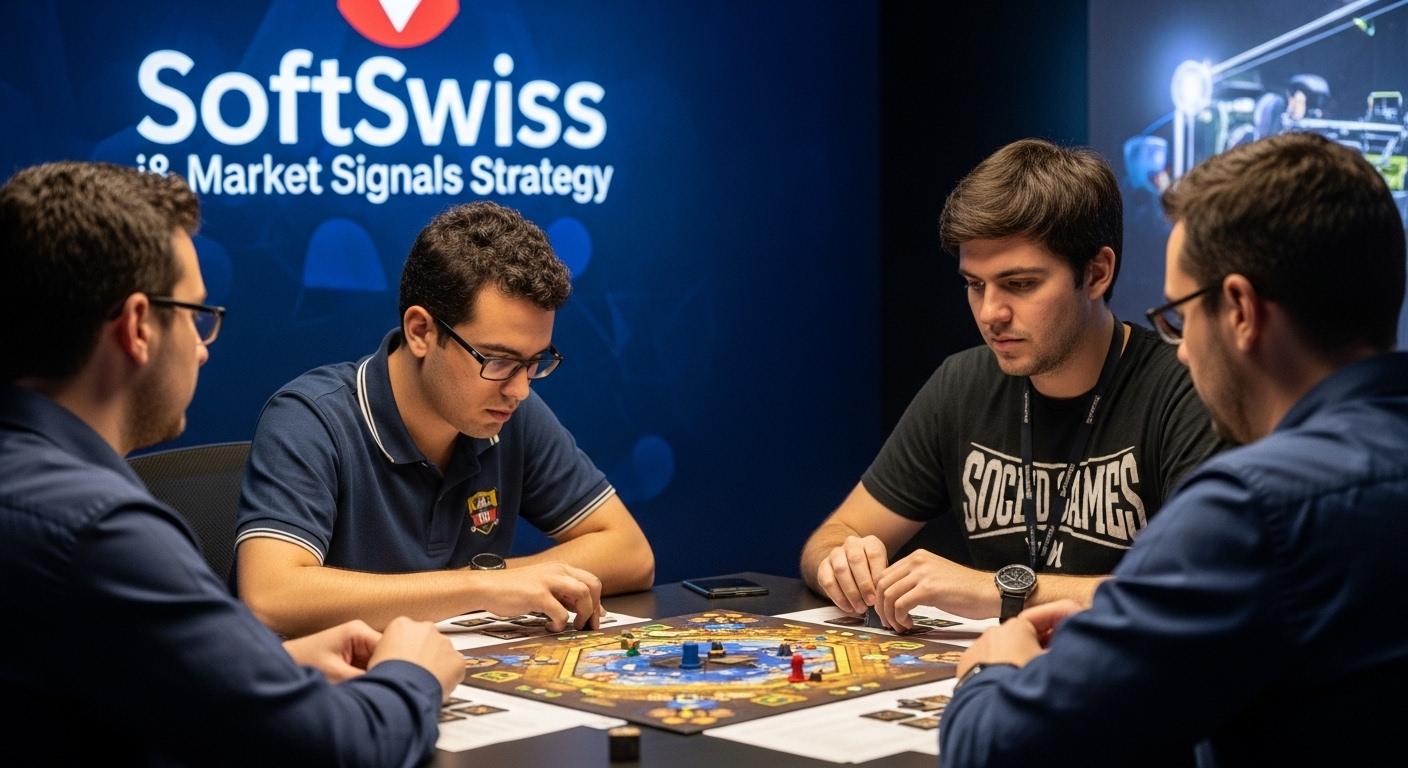
Diverse group of players at a Brazilian board game cafe surrounded by colorful game boxes.
Updated: April 9, 2026
In Brazil’s rapidly expanding hobby economy, keller’s Board Games Brazil stands at a pivotal crossroads for players, publishers, and educators alike. This piece offers a deep, contextual look at how local demand, import realities, and community-led initiatives shape the board game scene across major Brazilian cities—and what that means for enthusiasts who want practical ways to participate and grow the hobby responsibly.
Market currents shaping Brazil’s board games scene
The Brazilian market for board games has shifted from a niche pastime to a more visible cultural sector over the last decade. Strong urban concentrations—São Paulo, Rio de Janeiro, Belo Horizonte, Porto Alegre, and regional capitals—have catalyzed storefronts, cafés, and clubs where players can try new titles before committing to a purchase. Several macro forces intersect this evolution. Currency volatility and import duties push average prices upward for foreign releases, inviting local distributors to fill gaps with Portuguese translations or locally produced equivalents. At the same time, a growing middle class and increased access to e-commerce expand the audience willing to experiment with strategic, narrative, and family-weight games. The result is a marketplace that rewards local knowledge, not just inventory.
This dynamic creates a practical constraint: players often balance impulse with long-term value. Consumers increasingly rely on community spaces to vet new games, and retailers that cultivate trust—by clear guidance, reliable stock, and fair returns—become anchors in a market historically dominated by international publishers. The effect is a feedback loop: more community events drive more demand for well-localized titles, which, in turn, encourages more retailers to invest in Portuguese-language materials and in customer education. In this context, keller’s Board Games Brazil emerges as a case study of how a regional operator can leverage relationships with designers, publishers, and players to align supply with a diverse and geographically dispersed audience.
Keller’s Board Games Brazil and the local ecosystem
keller’s Board Games Brazil—whether operating as a retailer, distributor, or community hub—functions as a connective tissue for a sector that benefits from localized knowledge. The shopfront becomes more than a transaction point: it is a translator between international concepts and Brazilian play styles, a coordinator of events, and a refuge where beginners can learn without intimidation. In practical terms, the organization can help designers reach Brazilian players by offering Portuguese localization services, coordinating print-on-demand runs, and hosting playtesting sessions in collaboration with schools, clubs, and libraries. Such activities reduce the friction often seen when a new Eurogame or strategy title enters the market, and they provide designers with timely feedback on balance, components, and rule clarity before mass production.
The ecosystem also depends on the alignment of supply chains with regional realities. Delays in shipping, fluctuating freight costs, and tax regimes that complicate cross-border orders create a premium on predictability. Local retailers like keller’s Board Games Brazil may respond by curating a rotating catalog that favors titles with robust fan communities, strong group play value, and durable components that withstand Brazilian gameplay conditions. By cultivating relationships with game designers and publishers, the retailer can advocate for Portuguese rulebooks, affordable editions, and flexible licensing models that lower the barrier to entry for Brazilian families and clubs. This collaborative approach helps sustain a cycle of demand that benefits players and creators alike.
Challenges and opportunities for players and designers
Several challenges shape decision-making for players and creators in Brazil. Price sensitivity remains high, and the premium charged for imported or translated games can restrict access for casual players or new families. Yet this constraint also creates opportunities for innovative business models: local print rooms, community-funded translations, and co-op publishing arrangements can reduce costs and shorten feedback loops between design and play. For players, the challenge is part of the appeal—it invites experimentation with substitutes, such as modular games, lighter filler titles, or local variants of established mechanics that better suit Brazilian playgroups.
For designers, the Brazilian market represents a potential long-tail opportunity rather than a quick hit. Market access hinges on thoughtful localization, clear rules in Portuguese, and a distribution strategy that complements porous regional logistics. Crowdsourced testing and partnerships with Brazilian educators can produce products that are resilient to price pressure and time-to-market constraints. The future also holds potential for partnerships with local game cafes and schools, which can serve as recurring venues for demonstrations and tournaments. In this environment, a player-centered retailer such as keller’s Board Games Brazil can serve as a critical intermediary—ensuring that quality, playability, and accessibility are not sacrificed to supply-chain turbulence.
Actionable Takeaways
- For players: engage with local game cafes and clubs to discover titles, participate in find-and-try events, and support stores that offer Portuguese-language materials and clear purchasing policies.
- For designers: plan localized releases early, prioritize Portuguese rulebooks, and partner with Brazilian retailers to access local playtest scenes.
- For retailers: build a catalog that balances international titles with strong Brazilian community resonance, and invest in translations, durable components, and approachable tutorial content.
- For educators: incorporate board games into classrooms to teach math, literacy, and critical thinking, while partnering with libraries and cultural centers to host regular game days.
- For policymakers and communities: support accessible game spaces, tax incentives for localization, and programs that fund clubs and libraries to host demonstrations and tournaments.
- For players and parents: seek out two-buck-per-minute pick-up play sessions to build a habit of regular play without large upfront costs, then gradually integrate longer, more strategic titles as comfort grows.
Source Context
Contextual sources for this analysis include: