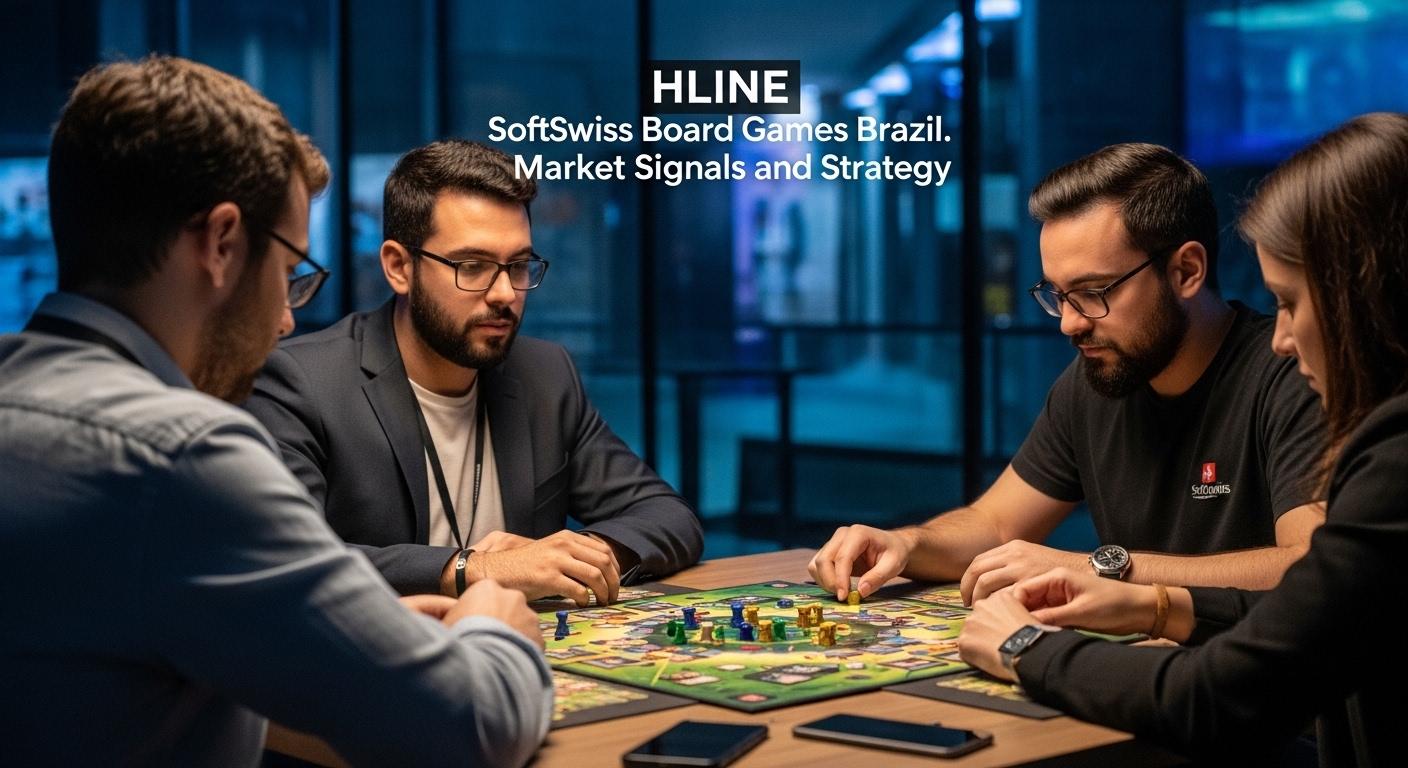
Diverse group of players at a Brazilian board game cafe surrounded by colorful game boxes.
Updated: April 9, 2026
In Brazil, keller’s Board Games Brazil has emerged as a reference point for retailers and players seeking to interpret market signals. Brazil’s board game scene is no longer confined to hobby shops; it now flows through bustling cafés, school clubs, and online marketplaces, creating a dynamic ecosystem where products must compete for attention and time. This piece offers a practical, data-informed view of where the market stands, what factors most influence growth, and how players and businesses can align themselves to the next phase of Brazil’s tabletop evolution.
Market pulse and players
The current rhythm of Brazil’s board game market is defined by a mix of local publishers, international imports, and a growing cadre of retailers who integrate product drops with in-person events. Observers note that growth is increasingly driven not just by new releases, but by the way games are experienced: in cafes, at game nights organized by clubs, and through curated catalogs that highlight accessibility and language options. Keller’s Board Games Brazil serves as a barometer for these shifts, helping independent store owners and publishers assess which genres resonate in major urban centers and which formats—cooperative games, family games, or quick-party titles—offer the strongest repeat engagement.
Distribution remains a mix of traditional channels and direct-to-consumer models. Local distributors are expanding tie-ins with game cafés, hobby stores, and educational programs, while online platforms continue to broaden reach beyond city cores. Translation into Portuguese and Brazilian Portuguese, as well as the availability of affordable, lighter-weight games, appears to correlate with higher adoption in midsize cities where leisure time is highly valued but disposable income may be concentrated.
Consumer behavior and regional nuances
Brazil’s population centers—Sao Paulo, Rio de Janeiro, Belo Horizonte, and continual expansion into regional capitals—favor social, participatory play that can be shared within households and communities. This creates demand for games that scale from two players to larger groups, and for editions that accommodate local languages, cultural references, and humor. Price sensitivity remains a practical constraint, pushing retailers toward bundles, seasonal promotions, and reusable components that justify repeat visits to shops or online carts. In this environment, players often evaluate a title not only by mechanics but by social value: does the game spark conversation, does it travel well across gatherings, and can it be taught quickly to a mixed-age group?
For hobbyists, the value proposition blends components, artwork, and storytelling with a sense of belonging—clubs, meetups, and the observed credibility of a local brand like keller’s Board Games Brazil. The community effect matters: positive word of mouth elevates new releases, while a misstep in production quality or translation can dampen enthusiasm in tightly knit consumer groups.
Operational challenges and logistics
Logistical realities shape what products enter the market and how quickly they arrive. Import costs, currency fluctuations, and Brazilian taxation influence final street prices and retailer margins. Small publishers may rely on print-on-demand or regional warehousing to reduce risk, while larger distributors leverage economies of scale to offer competitive shipping timelines. A practical concern for retailers is inventory turnover: games that perform in a show season or at a festival may not sustain demand across the year, so seeding local language variants and evergreen titles can reduce stockouts and markdown pressure. retailers who partner with cafes to run ongoing play sessions can test the market with lower upfront costs while building consumer familiarity with cataloged titles.
Policy, community, and future outlook
Policy environments around consumer electronics, imports, and small businesses shape how quickly new titles reach Brazilian tables. Community-driven initiatives—local game nights, demo days, and school partnerships—provide a critical feedback loop for publishers and distributors. In this context, Keller’s Board Games Brazil is not simply a retailer or curator; it functions as a bridge between developers seeking to tailor products for Brazilian players and the diverse urban and regional communities that form the market’s backbone. The trajectory suggests a more deliberate blend of localization, affordable pricing, and sustained community investment, with continued growth in digital channels that complement physical storefronts rather than replace them.
Actionable Takeaways
- Forge long-term partnerships with local cafés, clubs, and schools to create regular play spaces that showcase a rotating catalog of titles.
- Localize games where feasible—translation and cultural adaptation can unlock broader appeal and reduce entry barriers for casual players.
- Design pricing and bundles that address price sensitivity while protecting retailer margins, including seasonal promotions and community-purchasing programs.
- Invest in logistics resilience: diversify distribution channels, consider regional warehousing, and monitor currency and import costs to adjust pricing strategy proactively.
- Prioritize evergreen titles and modular games that scale from two to larger groups, ensuring a broad appeal across urban and regional markets.
- Leverage digital platforms for pre-orders, demos, and community engagement to complement in-person play and sustain interest between events.