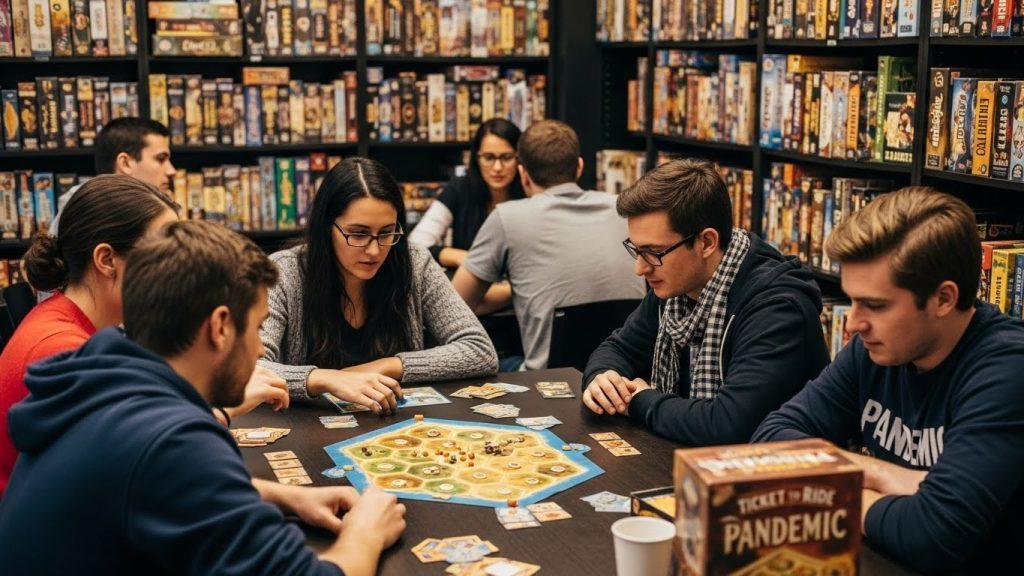
The Evolution of Board Games: A Journey through the Decades
Board games have been a fundamental part of human culture for centuries, providing entertainment, education, and a means for social interaction. From ancient times to the modern era, these games have evolved significantly, adapting to changing social norms and technological advancements. This post explores the fascinating journey of board games through the decades, highlighting key developments and their impact on society.
Early Beginnings and Ancient Games
The history of board games dates back thousands of years. Some of the earliest known games include Senet from ancient Egypt, which dates back to around 3100 BCE. This game was more than just a pastime; it had religious significance and was believed to represent the journey to the afterlife.
Another ancient game, Go, originated in China over 2,500 years ago. Unlike many early games focused on chance, Go is a strategy game that requires skill and foresight. Its simple rules yet complex strategy have allowed it to remain popular for millennia.
The Middle Ages and the Rise of Strategy Games
The medieval period saw the rise of strategy games that reflected the social and political landscape of the time. Chess, for example, evolved from earlier Indian and Persian games and became popular in Europe during the 9th century. It not only served as a form of entertainment but also as a tool for teaching strategy and tactics to the nobility.

Another notable game from this era is Backgammon. Originating from the Roman game of Tabula, Backgammon became a favorite across Europe. Its combination of luck and strategy made it appealing to a broad audience, and it continues to be played worldwide today.
The Industrial Revolution and Mass Production
The 19th century marked a turning point in the history of board games with the advent of the Industrial Revolution. Mass production techniques allowed games to be manufactured more efficiently and at a lower cost, making them accessible to a wider audience. This period saw the creation of many classic games that are still beloved today.
Monopoly, originally designed as “The Landlord’s Game” by Elizabeth Magie in 1903, was one such game. It was intended to illustrate the negative aspects of concentrating land in private monopolies. However, the game’s commercial version, released in the 1930s, became a global phenomenon, embodying capitalist ideals.
The Golden Age of Board Games
The post-World War II era, often referred to as the golden age of board games, saw a surge in creativity and diversity in game design. This period was characterized by the introduction of family-friendly games that encouraged social interaction and learning.
Games like Clue, Scrabble, and Risk became household staples. Clue, a murder mystery game, challenged players to use deductive reasoning, while Scrabble encouraged vocabulary building and language skills. Risk, a game of global domination, introduced many to the concept of strategic warfare.
The Digital Age and Board Game Renaissance
With the advent of the digital age, board games faced competition from video games and other electronic entertainment. However, instead of diminishing, board games experienced a renaissance. Designers began integrating technology into traditional games, and the rise of crowdfunding platforms like Kickstarter allowed indie developers to bring innovative games to market.
Modern classics such as Settlers of Catan revolutionized the genre by emphasizing negotiation and resource management over direct conflict. This opened the door for a new wave of Eurogames, which focus on strategy, player interaction, and unique themes.
The Impact of Board Games on Society
Board games have had a profound impact on society, influencing various aspects of culture and social interaction. They provide a platform for education, helping players develop skills such as critical thinking, problem-solving, and collaboration. Games like Pandemic, which simulate global cooperation to combat diseases, teach players about teamwork and strategic planning.
In recent years, board games have also become a means of exploring and promoting diversity and inclusion. Titles like Azul and Wingspan, designed by diverse creators, offer unique perspectives and stories, broadening the appeal of board games to new audiences.
The Future of Board Games
The future of board games looks promising, with continued innovation and expansion into new technologies and markets. Virtual reality and augmented reality are beginning to merge with traditional gameplay, offering immersive experiences that blend the physical and digital worlds. As technology evolves, so too will the possibilities for creative and engaging game design.
Moreover, the growing popularity of board game cafés and conventions highlights a renewed interest in social gaming experiences. These spaces provide opportunities for players to connect, compete, and collaborate in a shared physical environment, reinforcing the social bonds that board games have always fostered.
Takeaways
The evolution of board games is a testament to their enduring appeal and adaptability. From ancient Egypt to the digital age, these games have continuously evolved, reflecting the values and interests of the societies that play them. As we look to the future, board games will undoubtedly continue to innovate, offering new experiences that entertain, educate, and bring people together.
Whether you’re a seasoned strategist, a casual player, or a curious newcomer, the world of board games offers something for everyone. As you explore this rich and varied landscape, you’ll find not only entertainment but also a deeper understanding of human culture and creativity.
The allure of board games lies not just in their playability but in their ability to bring people together across generations. Sitting around a table, sharing stories, and engaging in friendly competition creates bonds that transcend the game itself. This social aspect is perhaps one of the most significant reasons board games have remained popular throughout history.
In recent times, board games have also become an essential tool for education and therapy. Educational institutions use games to teach complex subjects in an engaging manner, turning learning into a fun experience. For example, games like Ticket to Ride help players learn geography in an interactive and enjoyable way.
Therapists also use board games as a medium to facilitate communication and social skills development in children and adults alike. Games provide a safe space for individuals to express themselves, develop empathy, and improve their cognitive abilities. They can be particularly beneficial in group therapy settings, where they encourage interaction and teamwork.
The Role of Board Games in the Digital Era
In an era dominated by digital entertainment, board games offer a unique tactile experience that digital games cannot replicate. The physicality of moving pieces on a board, rolling dice, and drawing cards provides a sensory experience that engages players in a way screens often cannot. This tangibility is a significant factor in the continued popularity of board games.
Furthermore, the digital era has also allowed for the creation of hybrid games that combine traditional gameplay with digital elements. Apps that complement tabletop games by offering dynamic scoring, interactive story elements, or augmented reality features open new possibilities for gameplay and storytelling. This blend of digital and analog allows for richer and more immersive experiences.
Online platforms have also expanded the reach of board games, allowing people worldwide to play together, regardless of physical distance. Websites and apps dedicated to virtual board game play, such as Board Game Arena and Tabletop Simulator, have created vibrant communities where enthusiasts can connect, compete, and collaborate.
Board Games as Cultural Artifacts
Board games serve as cultural artifacts, reflecting the values, beliefs, and historical contexts of the societies that create them. They provide insights into the past and present, highlighting cultural nuances and societal changes over time. For instance, historical games like Axis & Allies and Memoir ’44 depict significant events from World War II, allowing players to engage with history interactively.
Games can also challenge social norms and provoke thought about contemporary issues. Titles like “The Grizzled,” which deals with the emotional toll of war, or “Freedom: The Underground Railroad,” which explores the history of the abolitionist movement, provide players with opportunities to reflect on complex themes while engaging in gameplay.
Moreover, the artistic design of board games, from the intricate illustrations to the thoughtfully crafted components, elevates them to a form of art. The aesthetics of a game contribute significantly to the player’s experience, drawing them into the game’s universe and enhancing the thematic immersion.
The Community and Social Aspects of Board Games
The board game community is a vibrant and inclusive space where people from diverse backgrounds come together to share their love of games. Conventions like Gen Con and Essen Spiel attract thousands of enthusiasts eager to discover new games, meet designers, and participate in tournaments. These events celebrate the creativity and diversity within the board game industry and foster a sense of belonging among players.
Local board game groups and clubs provide regular opportunities for social interaction, offering a welcoming environment for players to learn new games and form lasting friendships. The communal aspect of board games helps combat social isolation and provides a meaningful way for individuals to connect with others.
Additionally, the rise of social media and online forums has created global networks where players can discuss strategies, share reviews, and support independent creators through crowdfunding campaigns. These platforms have democratized the industry, giving voice to emerging designers and fostering innovation.
Final Thoughts
The evolution of board games is a fascinating journey that reflects the ever-changing landscape of human society. From ancient strategy games to modern digital hybrids, board games have continually adapted to meet the needs and interests of players. They offer a unique blend of entertainment, education, and social interaction that remains unmatched by other forms of media.
As we look to the future, the possibilities for board games are limitless. With continued innovation and a growing global community, board games will undoubtedly continue to thrive, providing endless opportunities for exploration, creativity, and connection. Whether you’re a lifelong fan or a newcomer to the world of board games, there’s never been a better time to dive into this rich and rewarding hobby.
About the Author