The Power of Personal Letters: How They Shape Our Relationships and Emotions
In an era dominated by instant messaging, social media updates, and fast-paced communication, the art of writing personal letters is often overlooked. However, letters have played a pivotal role in shaping human relationships and emotions throughout history. Their impact is profound, offering a more intimate and thoughtful way to connect with others. This article delves into the power of personal letters, exploring how they influence our relationships and emotional well-being.
The Historical Significance of Personal Letters
Personal letters have been a cornerstone of human communication for centuries. From ancient correspondences on papyrus to handwritten notes exchanged by historical figures, letters have preserved the thoughts and emotions of people across different eras. They offer a glimpse into the past, shedding light on personal and societal issues of their time.
For instance, the letters between John and Abigail Adams provide insight into the American Revolution and the personal sacrifices made by those involved. Similarly, the exchange of letters between Vincent van Gogh and his brother Theo offers a window into the artist’s struggles and creativity. These examples highlight the enduring value of letters as historical documents and personal artifacts.
Letters as a Medium for Emotional Expression
Unlike digital communication, which often encourages brevity, letter writing allows for deep reflection and emotional expression. The act of writing a letter requires time and thought, enabling the writer to articulate feelings and thoughts more clearly. This process can be therapeutic, providing an outlet for emotions that might otherwise remain unspoken.

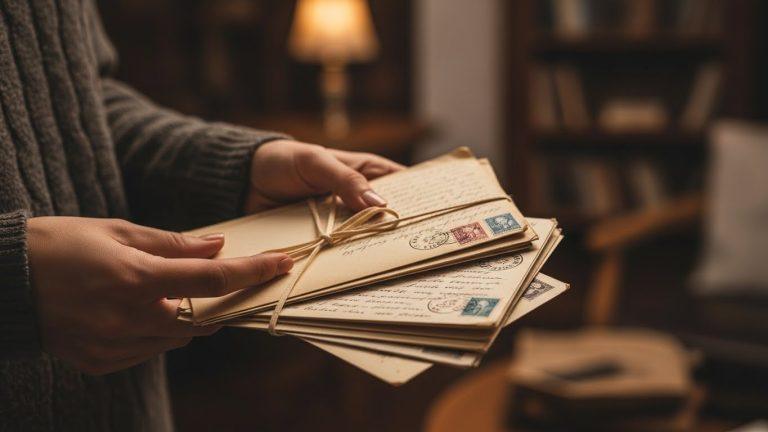
Receiving a letter can also evoke strong emotions. The anticipation of opening a letter, the tactile experience of holding it, and the personal touch of handwritten words create a unique emotional connection. This form of communication can strengthen bonds between individuals, offering reassurance, support, and empathy.
The Role of Letters in Building and Sustaining Relationships
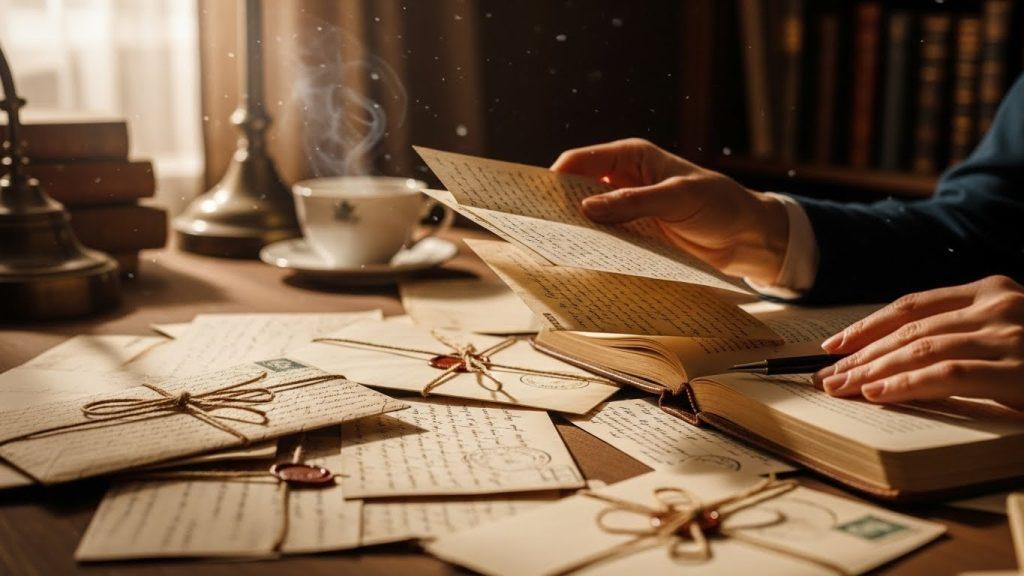
Letters have the power to build and sustain relationships, whether they are between friends, family members, or romantic partners. In long-distance relationships, for example, letters can bridge the physical gap, allowing individuals to share experiences and maintain a sense of closeness. They can also serve as a lasting reminder of the connection between two people, cherished and revisited over time.
In familial relationships, letters can help bridge generational gaps. Grandparents and grandchildren, for example, can use letters to share stories, values, and life lessons. This exchange not only strengthens family bonds but also preserves family history and traditions.
Personal Letters in the Digital Age
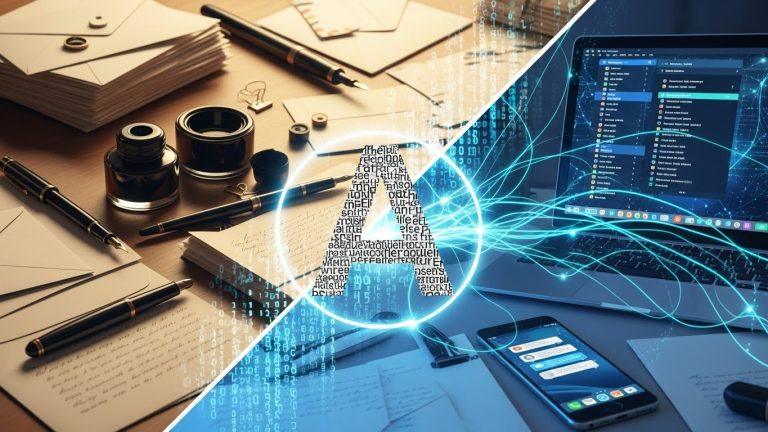
Despite the prevalence of digital communication, personal letters have not lost their relevance. In fact, the rarity of receiving a handwritten letter in today’s fast-paced world can make it even more special. Writing and receiving letters can offer a respite from the digital noise, providing a more meaningful and personal means of communication.
In the workplace, for example, a handwritten thank-you note can leave a lasting impression, demonstrating sincerity and appreciation in a way that an email may not. Similarly, in personal relationships, a letter can serve as a thoughtful gesture, showing the recipient that they are valued and cared for.
Examples of Famous Letters and Their Impact
Throughout history, many famous letters have had a significant impact on society and individuals. Martin Luther King Jr.’s “Letter from Birmingham Jail” is a poignant example of a letter that addressed social injustice, inspiring change and reflection on civil rights.
Another noteworthy example is the correspondence between Jean-Paul Sartre and Simone de Beauvoir, which provided insights into existential philosophy and their personal relationship. These letters not only influenced philosophical thought but also highlighted the complex dynamics of their partnership.
Such examples illustrate the profound impact that letters can have, not only on personal relationships but also on broader societal movements and ideologies.
Reviving the Tradition of Letter Writing
Given the enduring power of personal letters, there is a growing interest in reviving this tradition. Letter-writing clubs and workshops are emerging, encouraging individuals to embrace the art of writing letters. These initiatives emphasize the value of slowing down and engaging in meaningful communication.
Moreover, educational institutions are recognizing the importance of letter writing as a tool for developing writing skills and emotional intelligence. By incorporating letter writing into curricula, educators can help students improve their ability to express themselves and connect with others.
Conclusion: The Timeless Appeal of Personal Letters
The power of personal letters lies in their ability to convey thoughts, emotions, and personal stories in a way that is both intimate and enduring. Despite the rapid evolution of communication technologies, letters remain a cherished form of expression, capable of shaping relationships and emotions in profound ways.
By embracing the art of letter writing, we can cultivate deeper connections with others, bridge emotional and physical distances, and preserve the personal and historical narratives that define our lives. As we navigate an increasingly digital world, the timeless appeal of personal letters serves as a reminder of the importance of thoughtful, genuine communication.
For those interested in exploring more about the impact of letters, consider visiting resources such as the Smithsonian National Postal Museum, which offers a wealth of information on the history and significance of letters.
Practical Tips for Writing Personal Letters
For those new to letter writing or looking to improve their skills, here are some practical tips to consider:
- Choose the Right Materials: Selecting quality stationery and a reliable pen can enhance the writing experience. The tactile feel of good paper and ink can make the process more enjoyable and personal.
- Set the Mood: Create a comfortable environment for writing. Whether it’s a quiet room, soft music, or a cozy spot by the window, finding the right setting can help you focus and reflect on your thoughts.
- Be Genuine: Authenticity is key to meaningful communication. Write in your own voice, sharing your thoughts and feelings honestly. This sincerity will resonate with the recipient.
- Take Your Time: Letter writing isn’t about rushing. Allow yourself the time to think, reflect, and write at a pace that feels comfortable. This will help you articulate your ideas more clearly.
- Consider the Recipient: Tailor your letter to the person you are writing to. Consider their interests, current life situation, and the nature of your relationship to make your message more relevant and impactful.
The Environmental and Personal Benefits of Letter Writing
In addition to the emotional and relational benefits, letter writing offers environmental advantages. By choosing eco-friendly materials such as recycled paper and biodegradable inks, individuals can minimize their carbon footprint. This conscious approach to letter writing aligns with broader efforts to promote sustainability and environmental awareness.
On a personal level, the practice of writing letters can enhance mindfulness. By stepping away from screens and engaging in a tactile, deliberate activity, individuals can experience a sense of calm and focus. This mindfulness can contribute to overall well-being, reducing stress and fostering a greater appreciation for the present moment.
Encouraging the Next Generation to Write Letters
Introducing young people to the art of letter writing can have lasting benefits. Encouraging children and teenagers to write letters can enhance their literacy skills, creativity, and emotional intelligence. By expressing themselves on paper, they learn to organize their thoughts and communicate effectively.
Parents and educators can foster this skill by incorporating letter writing into educational activities. For example, setting up pen pal exchanges or encouraging students to write letters to historical figures or fictional characters can make the experience engaging and educational. These activities not only improve writing skills but also promote empathy and cultural understanding.
Furthermore, highlighting famous letter writers and their contributions can inspire young learners. Exploring the letters of historical figures like Benjamin Franklin or literary icons like Jane Austen can provide valuable insights into the power of words and the impact of personal correspondence.
Conclusion: A Call to Action
The timeless appeal of personal letters serves as a powerful reminder of the importance of thoughtful communication. In a world where digital interactions often lack depth, letter writing provides a refreshing and meaningful way to connect with others. By embracing this art form, we can nurture our relationships, enrich our emotional lives, and preserve the narratives that define us.
As you consider the role of personal letters in your own life, take a moment to reflect on the connections that matter most to you. Who might benefit from receiving a heartfelt letter? Whether it’s a family member, friend, or colleague, reaching out with a handwritten note can make a meaningful difference. Let us embrace the power of personal letters and continue to shape our relationships and emotions with intention and care.
For more inspiration and insights into the art of letter writing, explore organizations like the Letters of Note, which showcases remarkable letters from history and culture, offering rich perspectives on human connections through the written word.
About the Author